
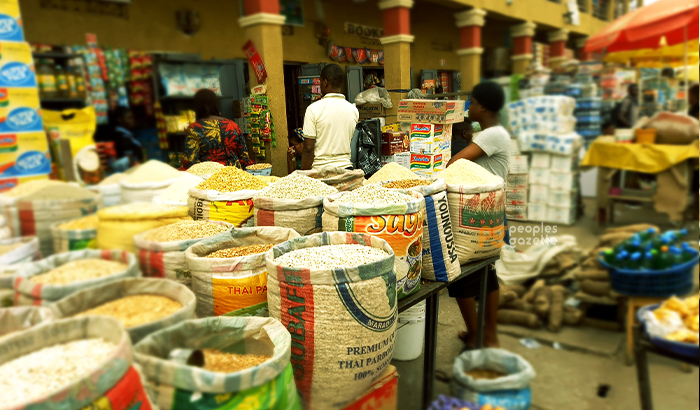
Nigerians are grappling with a staggering 95% increase in food prices as the holy month of fasting beckons
The sudden and drastic price hike, particularly in the Federal Capital, Abuja, has left many residents reeling, with some expressing frustration and desperation.
“I went to the market yesterday to buy some basic food items, and I was shocked to see that the prices had more than doubled,” lamented Aisha Mohammed, a resident of Abuja, noting that. “I had to return home empty-handed because I couldn’t afford the prices.”

The price surge has affected a wide range of food items, including staples like rice, beans, and maize. Fresh produce, such as fruits and vegetables, has also been affected, with prices increasing by as much as 150% in some cases.
Traders and market associations have attributed the price hike to a combination of factors, including increased demand, transportation costs, and scarcity of some food items. “We are experiencing a high demand for food items during this holy month, and this has led to a shortage in supply,” said Alhaji Usman, a trader at the Wuse Market. “Additionally, the transportation costs have increased, which has also contributed to the price hike.”
The Abuja Residents Association has called on the government to intervene and address the issue. “We urge the government to take immediate action to stabilize the prices of food items and ensure that they are affordable for all residents,” said the association’s chairman, Mr. John Akwu.
In the meantime, residents are being forced to adjust their budgets and seek alternative sources of food. Some are turning to local farmers’ markets, where prices are slightly lower, while others are opting for cheaper, imported alternatives.
As the holy month of fasting continues, Abuja residents can only hope that the government will take swift action to address the food price crisis and provide relief to those struggling to make ends meet.
