
How expertise and engineering averted a disaster
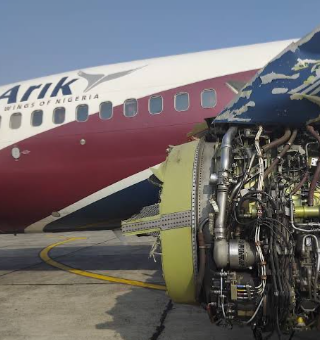
In the stillness of the Edo skies, a drama unfolded that would leave many wondering about the thin line between catastrophe and miracle. An Arik Air aircraft, crippled by engine failure, glided serenely onto the tarmac, its 80-odd passengers none the wiser to the peril they had narrowly escaped. The whispers began almost immediately – “miracle”, “divine intervention”, even “witchcraft”. But the truth, as it often does, lay elsewhere.
Captain Femi Adesunloye, a veteran of Nigerian skies with years of flying experience under his belt, was at the helm, his hands steady, his judgment unclouded. The aircraft’s systems, designed to safeguard against just such an eventuality, kicked in seamlessly. Redundant power, backup instruments, and aerodynamic design all coalesced to grant the captain the time and control he needed to execute a textbook landing.
This was not luck; this was aviation working as it was meant to.
The captain’s training, honed over years with Aero Contractors and Mobil Aviation, had prepared him for this moment. His every action, instinctive and precise, was an attestation to the countless hours spent in simulators and classrooms. The aircraft, too, had been built to withstand the unexpected, its engines and systems certified to perform under extreme conditions.
As the dust settled and the passengers disembarked, shaking off the mix of relief and bewilderment, it became clear that this was no miracle. It was the culmination of expertise, engineering, and a safety culture that permeates every aspect of commercial aviation.
The Nigerian Civil Aviation Authority (NCAA) and other regulatory bodies have long worked to ensure that airlines adhere to the highest safety standards, and this incident is a shining example of their efforts bearing fruit.
The real magic lies not in the supernatural, but in the precision, dedication, and discipline that define modern air travel.
As we marvel at the Adesunloye’s skill, let us also acknowledge the countless engineers, technicians, and regulators who toil behind the scenes to make every takeoff and landing a safe one. This was not a miracle; it was a demonstration of human ingenuity and the relentless pursuit of safety that defines aviation.
The Arik Air incident sure highlights Nigeria’s growing aviation industry’s progress in safety and professionalism. With increasing air traffic, robust safety protocols and regulations are crucial.
The NCAA’s efforts to enforce strict safety standards are paying off, and this incident showcases the effectiveness of these measures.
This incident could boost confidence in Nigeria’s aviation sector, attracting investment and talent. It also underscores the need for continued investment in safety infrastructure, training, and technology to support the industry’s growth.
As Nigeria’s aviation industry expands, prioritizing safety and expertise will be key to its success. This incident is a testament to the industry’s strengths and a reminder of the importance of sustained commitment to safety and excellence.
