
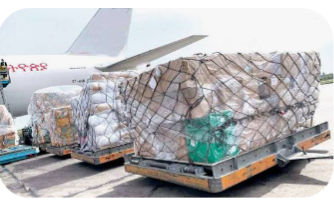
In a significant move, Nigeria’s aviation sector is undergoing a transformation, with the establishment of a dedicated Cargo Development Directorate within the Federal Airports Authority of Nigeria (FAAN) aimed at revolutionizing the country’s air cargo ecosystem.
This bold step is expected to boost Nigeria’s agricultural exports, currently hindered by logistical challenges and inadequate infrastructure.
The Directorate, led by Mr. Lekan Thomas, is working to address these issues by developing specialized cargo facilities, streamlining regulations, and promoting private investment in cold storage.
The goal is to position Nigeria as a major player in the global air cargo market, leveraging its strategic location and abundant agricultural resources.
With the activation of a dedicated Domestic Cargo Facility at the General Aviation Terminal in Lagos and plans for a similar project in Abuja, Nigeria is poised to reduce delays and increase the efficiency of its air cargo operations.
The facility is expected to enhance the handling of perishable goods, such as chili peppers, okra, mangoes, and leafy vegetables, which are currently lost due to inadequate storage and handling.
The Directorate’s collaborative approach, engaging stakeholders from farmers to freight forwarders, aims to create a cohesive value chain and stimulate economic growth.
By bringing together key players, including the Nigeria Customs Service, rural cooperatives, and financial institutions, the Directorate seeks to dismantle silos and promote a culture of cooperation.
FAAN’s Managing Director, Mrs. Olubunmi Kuku, emphasizes the importance of this initiative, stating, “We are committed to transforming Nigeria’s air cargo sector into a major driver of economic growth.” The Directorate’s efforts signal a shift towards a more business-friendly environment, prioritizing logistics and infrastructure development.
If successful, this initiative could unlock Nigeria’s agricultural potential, connecting rural farmers to global markets and driving economic diversification.
The potential benefits are substantial, with Nigeria’s agricultural sector employing over 70% of the workforce and generating significant revenue.
However, challenges remain, including inadequate infrastructure, bureaucratic bottlenecks, and a lack of access to finance.
The Directorate’s success will depend on its ability to address these issues and ensure that the benefits of air cargo development reach rural farmers and other stakeholders.
As Nigeria’s air cargo sector takes flight, the world watches with interest. Will the country overcome its logistical challenges and become a major player in the global air cargo market? Only time will tell, but for now, the outlook is cautiously optimistic.
The Nigerian government has set ambitious targets for agricultural production and export, and the success of the FAAN Cargo Directorate will be crucial in achieving these goals.
With the right approach and support, Nigeria’s air cargo sector could become a game-changer for the country’s economy.
