
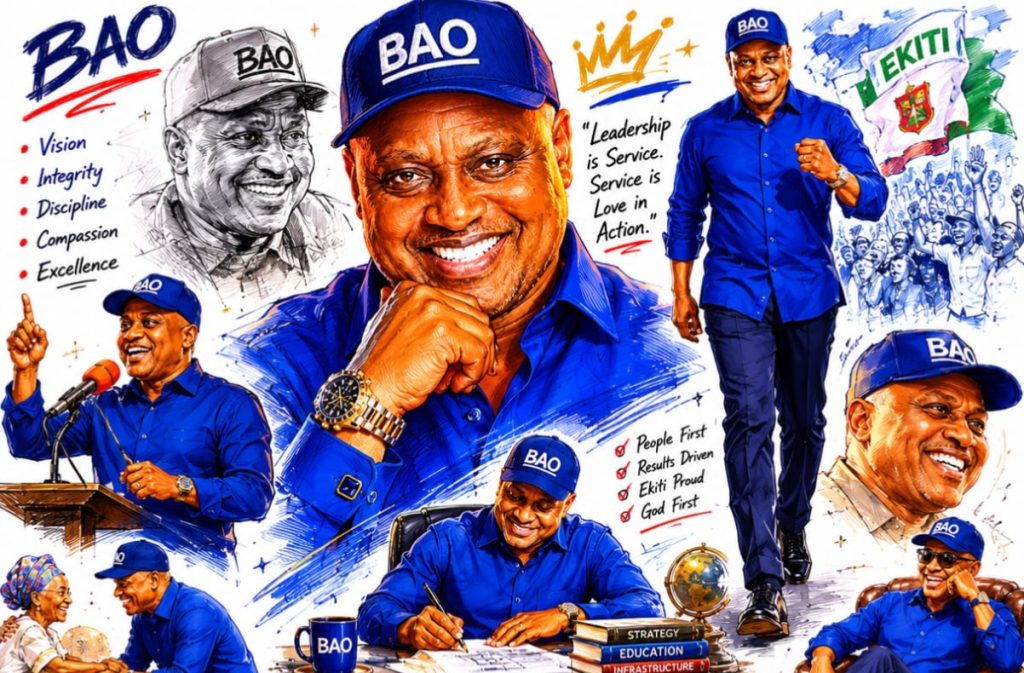
How incumbency, apathy, and Fayose’s shadow are shaping the June 20 governorship race
The drumbeats in Ekiti State are loud again. Banners line the roads from Ado-Ekiti to Ikere. Party convoys crisscross the 16 LGAs. Thirteen parties signed the peace accord in Ado-Ekiti four days ago. But beneath the noise, the June 20 governorship election is already being fought on quieter ground: voter apathy, fractured opposition, and the weight of old political alliances.
On the surface, it looks like a two-horse race. Governor Biodun Abayomi Oyebanji of the All Progressives Congress is seeking a second term. His main challenger is Dr Wole Oluyede, the Peoples Democratic Party candidate. Other contenders exist — Dare Bejide of ADC, Olusegun Osinkolu of YPP, and nine more on INEC’s list— but the momentum, for now, orbits the incumbent and the PDP flagbearer.

The incumbent’s quiet consolidation
Oyebanji’s path to the ballot was smooth. He emerged as consensus candidate of the APC after the party’s primaries in late 2025. That consensus matters in Ekiti, where party cohesion often translates to votes.
Since taking office in October 2022, he has leaned on incumbency advantage, grassroots engagement, and a broad coalition of political heavyweights. His campaign council, led by Senate Leader Opeyemi Bamidele, has set a target of 500,000 votes and publicly called the election a “done deal”.
The governor himself has staked his pitch on stability and peace. He points to a violence-free LG campaign tour and 30 years of Ekiti statehood approaching in October without the usual pre-election tension. “Ekiti will continue to know peace,” he said in his New Year broadcast, urging stakeholders to avoid intimidation and violence.
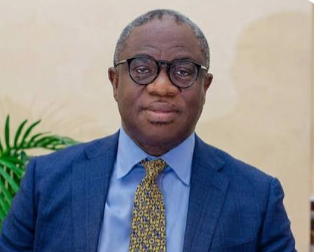
Oluyede
The PDP’s uphill climb and the Oluyede factor
Dr Wole Oluyede won the PDP primary in November 2025 with 279 votes, defeating Funso Ayeni’s 239. But his road to the ballot was rocky. INEC initially excluded his name from the published list of candidates on December 30, 2025, citing the party’s internal leadership crisis. The PDP’s factional fight — between the Makinde/Mohammed camp and the Wike camp — nearly cost them their flagbearer.
Oluyede’s name was later restored, and his campaign insists the legal challenges are under control. His team argues that his medical background and outsider status give him appeal among voters tired of the status quo. PDP leaders in Igede Ekiti say he is “the most credible alternative needed in Ekiti State”.
Yet the party remains fragmented. The PDP in Ekiti has been described as “confusion-prone” by its own South-West spokesman. That fragmentation feeds the apathy visible on the ground.
The apathy problem
Apathy is the wildcard. A fraction of APC loyalists who feel the primary was settled too early are showing signs of despondency and may stay home on June 20.
But apathy cuts both ways. Many voters who might consider voting PDP are wary of the “Fayose factor” and the party’s current state. The PDP’s internal wars and its history under former Governor Ayodele Fayose leave a segment of the electorate unconvinced that a vote for the opposition is a vote for change.
Ironically, the same Fayose factor is working in Oyebanji’s favor.
Fayose’s unspoken alliance
In Abuja last month, Ayodele Fayose, Ekiti’s PDP leader, publicly assured Oyebanji of “massive and widespread support” ahead of the election. He called the governor a bridge-builder who restored peace and unity to Ekiti’s political landscape, praising his work on infrastructure, workers’ welfare, education, agriculture, and rural development.
Fayose was clear: “I will not put your party logo because I will never join your party but we will support you to complete the journey you have started”.
For Oyebanji, that’s a strategic win. It neutralizes the most potent PDP mobilizer in the state without forcing a formal defection. For Fayose, it’s continuity over chaos. For the PDP, it’s a quiet endorsement that complicates their message on the campaign trail.
What the intrigues mean for June 20
INEC has flagged familiar threats: vote buying, thuggery, fake news, and insecurity in hard-to-reach areas. Security agencies say they are prepared for a free, fair, and credible poll. But the real contest may be for voter turnout.
If APC loyalists stay home, the race tightens. If PDP voters split between apathy and protest voting, Oyebanji benefits. And if Fayose’s open support translates to quiet mobilization on the ground, the “one-man race” narrative gains weight.
Political analysts say the election is being driven less by ideology and more by power blocs, patronage, and strategic realignments. The peace accord signed by 13 parties may keep the streets calm, but it won’t resolve the deeper question: will Ekiti voters show up, and if they do, will they vote their anger, their habit, or their calculation?
The stakes
Ekiti has a history of swing elections and upsets. But in 2026, the incumbent is betting that incumbency, peace, and cross-party goodwill outweigh opposition energy. The PDP is betting that voter fatigue with APC governance will override party distrust.
As Governor Oyebanji put it: “It is not the signing that is important, but the character of those holding the pen”.
Come June 20, Ekiti’s character will be written in the turnout sheets.
What do you think will tip the balance — voter apathy, Fayose’s influence, or Oluyede’s campaign push in Ekiti?
