
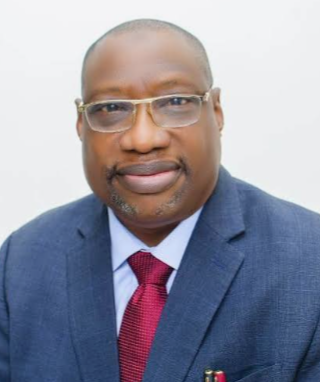
NAMA’s MD, Umar
For years, the file on unpaid retirees’ benefits sat in NAMA’s cabinet like an old debt no one wanted to open. The current management says it is the first to pull it out, get approvals, and actually start the process of closing it.
The Nigerian Airspace Management Agency made that case in a detailed response Wednesday after a television interview saw retirees raise fresh concerns about outstanding entitlements and lob allegations at Managing Director Engr. Farouk Ahmed Umar.

NAMA did not dispute retirees’ right to speak up. But it argued the story being told in public is missing half the facts. The backlog, the agency insists, did not begin under Farouk. It is a long-running institutional problem inherited from past administrations, tangled in pension policy gaps and the slow grind of public sector finance.
What changed under the present leadership, NAMA says, is the attention. Farouk’s team engaged retirees and their representatives, pushed the matter up the chain, and secured the approvals needed to move from talk to action. Departments were directed to start the settlement process right away.
Still, NAMA is careful to note how government money moves. No payment leaves the system without documentation, budget lines, vetting, and final sign-off. To call those steps neglect, the agency argues, is to misunderstand how public institutions are built to work.
While the retirees’ issue gets sorted, the agency says it has been busy fixing what it can control for the people still on payroll.
For the first time, NAMA implemented the full Staff Conditions of Service — a demand workers had chased through several previous managements.
It also approved and rolled out a new salary structure that raised pay across the agency and, by its account, lifted morale in towers, radar rooms, and offices from Lagos to Kano.
The reforms did not stop at pay. NAMA points to more local and international training, better operational conditions, and regular engagement with both serving staff and retirees.
The goal, it says, is a more stable, efficient agency at a time when Nigeria’s airspace is handling more traffic and stricter global standards.
Then there were the allegations that cut deeper: suggestions that public funds were funding the MD’s personal religious activities.
NAMA shut that down flat. The agency says it runs on professionalism and inclusiveness, not sectional sentiment. Religion, it warned, is too dangerous to weaponize in a safety-critical institution. Farouk’s personal religious duties, the agency stated, are private and paid for from his own pocket.
Even as the welfare debate plays out, operations have not stalled. NAMA says it has upgraded navigational infrastructure, tightened safety systems, built technical manpower, and stayed in line with international aviation rules. Industry players, it adds, have noticed the stability the agency is showing.
The message from NAMA is simple: delays in entitlement payments are frustrating and understandable, but the conversation should be rooted in facts.
Public leadership means balancing bureaucracy, finance rules, and people’s needs. On that score, the agency wants its record judged by what can be measured — salary reforms delivered, training expanded, safety systems improved, and a retirees’ debt finally moving through the pipeline.
“History will judge public officers not by orchestrated propaganda or emotional accusations, but by the measurable impact of their stewardship,” the agency said. For Farouk’s NAMA, that impact is the story it wants told.
