
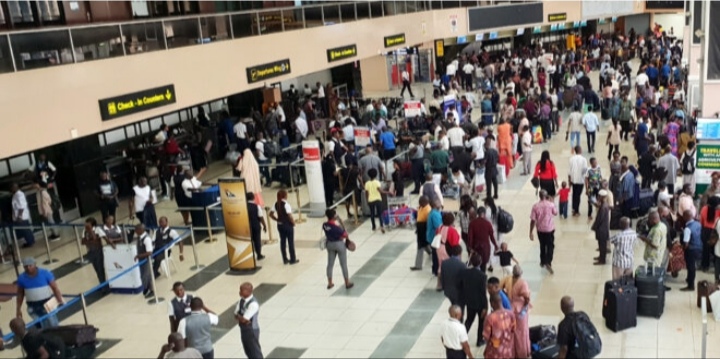
The holiday rush has pushed airfares in Nigeria to eye‑watering levels, with round‑trip tickets on popular routes such as Lagos‑Abuja and Abuja‑Kano soaring well above pre‑pandemic prices. Travelers are feeling the pinch as carriers cite a perfect storm of foreign‑exchange volatility, high fuel costs and a lingering shortage of aircraft, all of which have tightened seat availability during the peak season.
As families scramble to book flights for Christmas and New Year, many are left wondering whether the spike is a temporary surge or a preview of a more permanent shift in the market.
Adding to the uncertainty, the government is set to roll out a new tax regime on January 1, 2026 that will re‑introduce import duties on commercial aircraft, engines and spare parts, and impose a 7.5 % value‑added tax on ticket sales.

The change marks a reversal of long‑standing exemptions that have helped keep operating costs down for domestic carriers.
While officials argue the measures will broaden the tax base and generate much‑needed non‑oil revenue, industry players warn that the additional levies could be passed straight to passengers, further inflating fares at a time when many Nigerians are already grappling with inflation.
Supporters of the tax overhaul point out that the extra revenue could be earmarked for infrastructure upgrades, including the development of a local maintenance, repair and overhaul facility that could eventually lower operating costs.
They also note that removing the exemption will level the playing field, eliminating a distortion that has historically favored larger operators and foreign carriers.
In this view, the short‑term pain of higher ticket prices could be offset by longer‑term gains in the sector’s sustainability and competitiveness.
Critics, however, stress that the timing could not be worse. The Airline Operators of Nigeria) AON), have cautioned that the combined burden of the new duties and VAT, on top of already high fuel prices, could push marginal carriers to the brink, reducing competition and limiting options
There is also concern that the tax increase runs counter to a recent ECOWAS directive calling for a 25 % cut in regional air transport charges, creating a contradictory environment that could undermine the intended benefits of the reform.
Analysts remain divided on whether the higher fares will persist beyond the holiday period. Some argue that once the festive demand eases, airlines may lower prices to fill seats, especially if the new tax burden dampens passenger demand.
Others contend that the structural changes—particularly the added cost of importing aircraft and parts—will keep fare levels elevated, making the current surge a glimpse of the new normal.
As the year draws to a close, passengers are left to weigh the immediate relief of securing a seat against the prospect of paying more in the months ahead.
The outcome will hinge on how quickly the sector adapts to the fiscal changes and whether the promised infrastructure investments materialize to offset the higher costs for both airlines and flyers.
