

The Nigerian aviation industry has undergone a significant transformation under the leadership of President Bola Ahmed Tinubu’s administration, according to Captain Chris Ona Najomo, Director General of the Nigeria Civil Aviation Authority (NCAA).
Speaking at the Tenth International Civil Aviation Organisation (ICAO) Africa Indian Ocean AFI region Aviation Week Symposium, Najomo highlighted the government’s efforts to reshape the industry and make it globally competitive.
Najomo noted that African states face challenges in balancing national carrier protectionism with the need for liberalization and regional connectivity, citing political, economic, regulatory, and infrastructural factors.
However, the Nigerian government has prioritized the growth and sustenance of local airline businesses while maintaining the highest international standards in the aviation industry.
The NCAA Director General emphasized that national airlines are a source of national pride and identity, but governments often struggle to embrace full liberalization due to fears of undermining their national carrier’s market share and profitability.
He also highlighted the slow implementation of the Yamoussoukro Decision and the Single African Air Transport Market (SAATM), citing concerns about losing control of certain routes and negatively impacting national airlines.
Najomo stressed the importance of economic regulations, autonomous civil aviation authorities, and the removal of visa barriers to facilitate the growth of air transport in Africa. He noted that protectionism often leads to poor service quality and higher ticket prices for consumers, and that there is often a disconnect between aviation, tourism, and trade policies that undermines liberalization goals.
Under the Tinubu administration, Nigeria has prioritized aviation infrastructure development and regional airline partnerships as strategic tools to drive national economic growth, improve connectivity, and strengthen regional integration.
The government has allocated funds for key infrastructure projects, including the construction and upgrade of airport infrastructure and air navigation services.
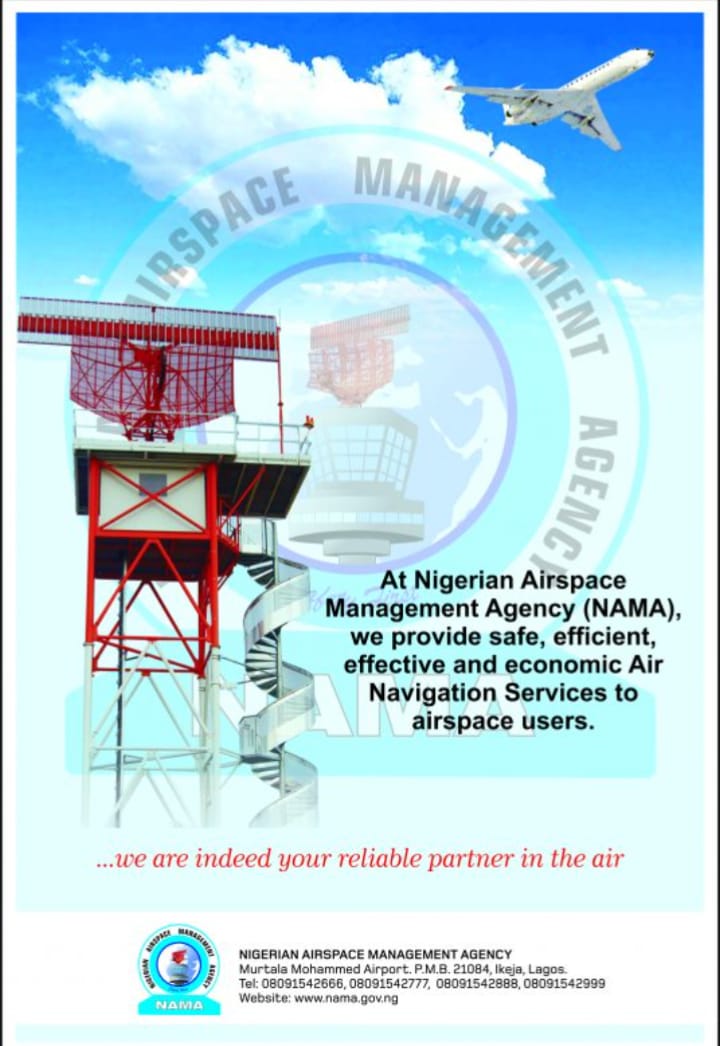
Najomo highlighted the government’s efforts to modernize air navigation services, including the deployment of satellite-based navigation systems and the upgrade of radar systems and communication infrastructure.
He also emphasized the importance of collaborations with other bodies to strengthen interconnectivities, citing Nigeria’s commitment to the Yamoussoukro Decision and SAATM.
The Nigerian government has also taken steps to promote the growth of domestic airlines, including the “Fly Nigeria Act,” which prioritizes Nigerian airlines for government-sponsored air travel.
Najomo noted that the government has domesticated the Cape Town Convention and signed the Irrevocable De-registration and Export Request Authorization (IDERA), increasing Nigeria’s score on the CTC Compliance Index and removing the country from the Aviation Working Group’s watchlist of non-compliant countries.
Overall, Najomo’s presentation painted a picture of a Nigerian aviation industry that is poised for growth and global competitiveness, driven by the government’s commitment to infrastructure development, liberalization, and regional integration.
