

Festus Keyamo
– As jet fuel feud burns toward Monday, a nation holds its breath
It started as a murmur on the tarmac in late February, when a litre of Jet A1 quietly slipped past ₦900. By the second week of April it had roared to ₦3,300, a 300% inferno that scorched balance sheets and left airline accountants whispering the word “insolvent.”
That spark became the flame that now threatens to darken Nigeria’s skies by sunrise on Monday, April 20, 2026.
The Airline Operators of Nigeria (AON), drew the first hard line on April 14. In a letter that landed like a thunderclap, AON told the Major Energies Marketers Association of Nigeria (MEMAN), that every member carrier would suspend domestic flights from Monday unless the price madness stopped.
One airline had already buckled and shut down since March 13. The rest, they warned, were bleeding out at 35,000 feet.
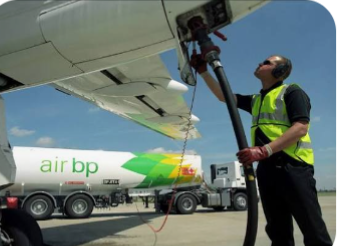
MEMAN answered on April 16 with disbelief and a dare. Executive Secretary Clement Isong said the association was “surprised” by the ₦3,300 figure, insisting its own market sweep found prices more than ₦1,000 cheaper. He urged carriers to “exercise their commercial right to seek alternative suppliers,” noting that aviation turbine kerosene demands dedicated trucks, sealed handling, and lab-grade checks that no operator can sidestep. Safety, MEMAN argued, is not a discount item.
The marketers blamed the same culprits airlines did: Middle East geopolitics, fractured supply chains, and a 50% jump in in-country haulage costs. Yet they held firm, “We do not discuss pricing,” and hinted that costs should “begin to reflect” downward in coming weeks.
That same Thursday, Aviation Minister Festus Keyamo, SAN, stepped onto the fault line. In a letter to AON’s president, he praised the “resilience and professionalism” of carriers who had kept wings level under fire.
Then came the appeal: hold airfares, hold the shutdown. An immediate fare hike, he wrote, would “impose significant hardship on the travelling public” and choke demand. A ground stoppage would “erode public confidence” and fracture “critical mobility and logistics networks” the Tinubu administration calls a national asset.
Keyamo promised action and summoned a high-level emergency stakeholders’ meeting for Wednesday, April 22, in Abuja, a date that now feels perilously far away.
So here we are this weekend, caught between two immovable truths. Airlines say they cannot fly at ₦3,300 and survive. Marketers say ₦3,300 is not their number, and safety has a price.
Meanwhile, United Nigeria Airlines has lost three Embraer 190s to bird strikes in 48 hours, a grim subplot that underscores how thin the sector’s margins have become.
The looming danger is not abstract. Come Monday, court appearances will miss judges. Surgeries will miss surgeons. Perishable cargo will miss markets. The weekend return surge will meet shuttered counters. Nigeria’s economy, stitched together by 37 active airports, risks a sudden, violent unravelling.
Keyamo’s April 22 table may yet produce a truce, but the calendar is cruel. Between now and then lies a long, anxious weekend, and a nation waiting to see whether its skies fall silent at dawn on Monday.
