
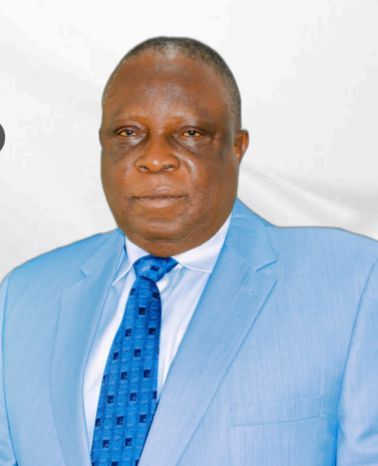
Dr Owolabi
Dr Oluropo Owolabi has walked the tarmac at Murtala Mohammed International Airport long enough to know when something is wrong. And right now, he says, the airport is slipping away from the plan it was meant to follow.
Speaking quietly but firmly in Lagos, the former Managing Director of Skyways Aviation Handling Company PLC described a scene that would be unrecognizable to anyone who remembers the original design of Nigeria’s busiest airport.
What was once a structured gateway is now, in his words, being carved up piecemeal.
“Illegal activities have taken over the NAHCO end of the airport, from the popular 7 and 8 area all the way to the cargo gate,” he said. “Various businesses are springing up in unauthorised areas. If this is not checked by FAAN, it will become very dangerous. It is already a security threat.”
For Dr Owolabi, the transformation is most visible in the cargo section. What should be a controlled logistics hub now feels, to him, like an open-air market.
“The cargo section has turned to market. It’s ‘Jankara’,” he said, using the Yoruba word for a chaotic, unregulated bazaar.
The encroachment doesn’t stop there. Commercial vehicle operators have moved into the NAHCO environs, setting up shop in spaces never intended for them. Aviation fuel dealers have erected tank farms indiscriminately around the airport perimeter. Hangars are being built on every available patch of land.
“In the next 10 years, MMIA will be defaced beyond recognition,” he warned. “Some of these constructions are a time bomb. The security arms of aviation agencies need to wake up to their responsibility.”
His concern is not just about aesthetics. It’s about safety, security, and the long-term viability of an airport that handles millions of passengers and tons of cargo annually.
Unplanned structures and unregulated activity, he argues, create blind spots for security, complicate emergency response, and erode investor confidence.
Dr Owolabi also pointed to a deeper problem: legal uncertainty around airport assets and operations. He said the ambiguity has made it difficult for foreign investors to commit to the system, and he accused former Aviation Minister Hadi Sirika of selling off “almost everything at the airport.”
His advice is blunt. Anyone appointed to lead the aviation ministry or agencies like FAAN should first undergo at least six months of structured training in airport management.
“You cannot manage what you don’t understand,” he said.
He didn’t hold back on the recent attack on retired Group Capt. John Ojikutu, a former airport military commandant. Dr Owolabi called the criticism “baseless and uncalled for,” noting that Ojikutu’s expertise in aviation security is well established.
The message running through his remarks is simple and urgent: Lagos airport still has a chance to be saved, but only if the original master plan is respected and enforced.
Without that, he believes, Nigeria risks turning a national gateway into a patchwork of informal structures and unmitigated risk.
“This is not about politics,” he said. “It’s about the safety of everyone who passes through that airport—passengers, staff, and the country’s reputation.”
For Dr Owolabi, the warning is less an indictment than an advisory. Act now, he says, or pay for it later.
