

Adeoye
For decades the six towns of Ekamefa — Ipao, Itapaji, Iyemero, Okeako, Irele and Ijowa — have lived as neighbors with shared ancestry but separate political voices. Roads stop at boundaries. Projects arrive in fragments. Influence has been scattered.
That pattern is being challenged by the *Ekamefa Leaders Forum, ELF*, a political pressure group of Ekamefa professionals that has emerged as a credible front for the zone. ELF is not built around a candidate or an election cycle. It is built around a conviction that has become its mantra: little can only be achieved in fragmentation.

The Forum draws its membership from lawyers, engineers, teachers, farmers, doctors, artisans and business leaders drawn from the six communities.
Its currency is not money but people-based credibility, earned in town halls and markets where trust is still measured by consistency. Traditional rulers consult it. Youth groups listen to it. Market women speak of it as their own.
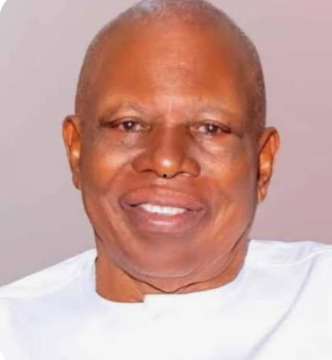
Abejide
At the center of ELF’s message is unity as strategy, not sentiment. Publicity Secretary, Gboyega Adeoye, frames it in terms that have begun to echo across the communities. “Ekamefa is one tree with six branches,” he tells gatherings. “A single branch is shaken by every wind. Together they make a forest that even storms respect. A divided people fetch water with a basket. The river is there, but the vessel leaks.”
Adeoye argues that development does not answer to sentiment but to strength, and that strength for Ekamefa begins when Ipao, Itapaji, Iyemero, Okeako, Irele and Ijowa speak as one bloc.
“History does not reward the loudest town,” he says. “It rewards the most coherent people. When one town speaks, it is a request. When six towns speak, it becomes a mandate no government can ignore.”
Osatuyi
ELF’s mission follows that logic. The Forum is collating data on the needs of each town — from access roads in Okeako to health facilities in Irele — and intends to engage government with a unified agenda rather than isolated appeals. The goal is to move Ekamefa from competing petitions to collective bargaining.
The Forum is also emphatic that this moment calls for building, not blame. Its leaders insist the season for finger pointing has passed. They argue that years spent assigning fault for shortfalls have produced headlines but not hospitals, and that the six communities must now roll up their sleeves for collective development.
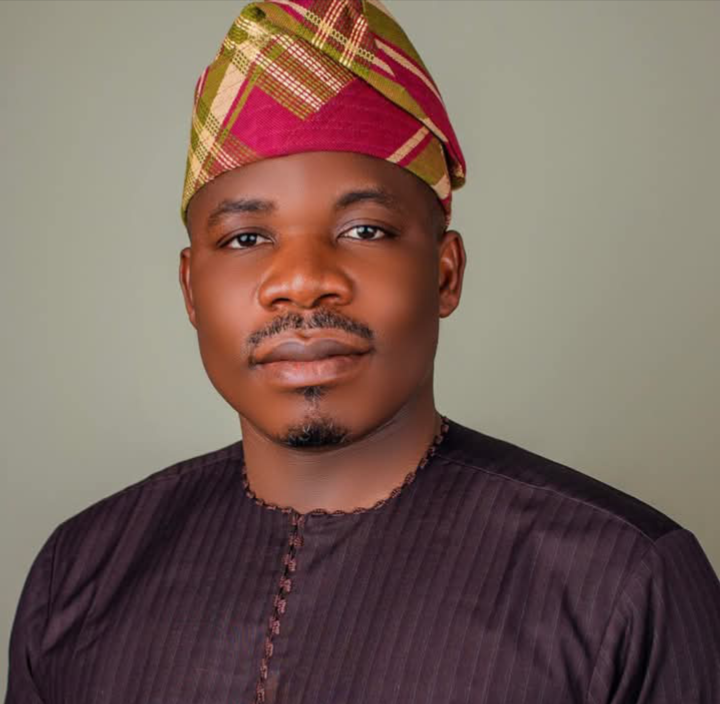
Osanipin
To that end, ELF has extended an open call to political top shots and leaders of the zone to rally for the common good. It specifically names Pa Samuel Abejide, a current Chairman of the Ekiti State Local Government Service Commission, whose statewide reach it considers vital. It calls on Hon. Michael Ogungbemi, outgoing Chairman of Ajoni LCDA, for his grassroots experience. It appeals to Mr. Adeyeye Osatuyi, described as a top Lagos politician with networks that can benefit the zone, to reconnect that influence back home. It mentions Mr. Olu Osanipin and other sons and daughters of Ekamefa in politics, business and the professions, urging them to collapse old camps and form one Ekamefa front.
“Our fathers gave us a name,” Adeoye tells the gatherings. “Our children are asking for a future. The bridge between both is the unity we choose today.”
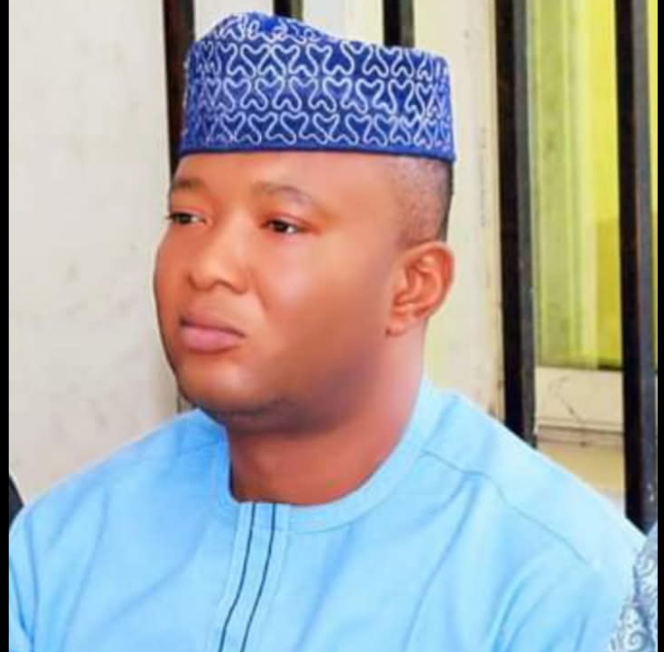
Ogungbemi
Politically, ELF is unambiguous about alignment. The Forum says Ekamefa must assure Governor Biodun Abayomi Oyebanji of overwhelming support that will translate to massive votes in his favor. Its reasoning is transactional and plain: democracy rewards those who show up, and loyalty is measured at the ballot.
“BAO has shown a listening ear,” Adeoye notes. “Listening must be rewarded with loyalty, and loyalty must be counted at the polls. When Ekamefa votes as one bloc for a performing governor, Ekamefa cannot be bypassed when projects are shared. That is how dividends come.”
ELF describes itself not as a fan club but as stakeholders who support because they have seen signs of inclusion, and who will vote because they want more. It adds that it will hold government accountable, because “unity without results is noise.”
In the coming weeks, the Forum plans to take what it calls Ekamefa Development Conversations across the six towns. The meetings will match data with demands and produce an Ekamefa Charter — a document the group says will be signed not by politicians alone, but by the people themselves.
For many in Ipao, Itapaji, Iyemero, Okeako, Irele and Ijowa, the message marks a shift from “my town first” to “Ekamefa first.” ELF’s leaders argue that the former gave pride but not progress, and that the latter is the path to relevance.
“A broomstick is easy to break,” Adeoye often says at the close of meetings. “A bunch is a weapon. A town is an address. A bloc is an army. Let us be an army for development.”
The Ekamefa Leaders Forum states one manifesto: Ekamefa’s progress. One candidate: unity.
Its bet is simple. When the six towns speak as one, Ekiti will listen. When Ekiti listens, Ekamefa will rise.
