
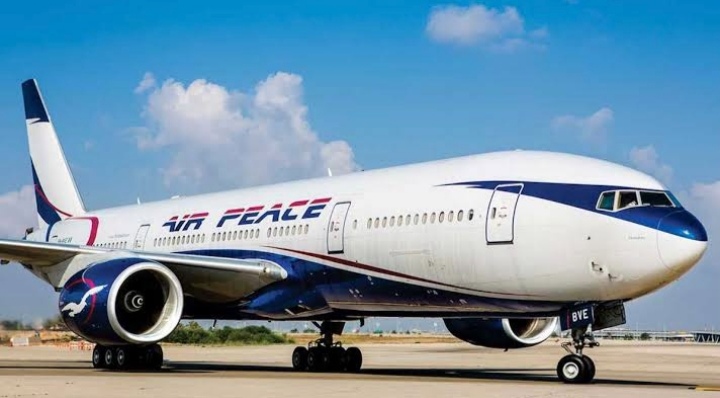
The recent fallout with SmartLynx has thrust Air Peace into a storm of headlines, yet beyond the legal wrangling lies a carrier that has long served and saved Nigeria unofficially, filling the gap as the nation’s flag‑bearer in the skies. For years the airline has also linked remote communities, offering affordable fares on domestic routes, and shouldered the responsibility of representing the nation on international platforms—often without the full backing of a state‑owned flag carrier.
Its fleet expansion, the introduction of modern aircraft, and the launch of new routes have not only boosted regional trade but also nurtured a generation of Nigerian pilots and engineers through extensive training programmes.
The dispute with SmartLynx, however, exposes a deeper vulnerability that the airline has repeatedly warned about: the precarious reliance on foreign lessors who may prioritize profit over partnership.
Operators in other regions who leased from SmartLynx have faced similar disruptions, confirming that the problem is systemic rather than an isolated grievance with Air Peace. The airline’s decision to release three leased aircraft “in good faith” while demanding a repayment of its funds underscores a principled stance, but it also signals a cash‑flow strain that could ripple through its operations.
Nowel Ngala, the airline’s chief commercial officer’s recollection of Tunisia’s Syphax Airlines—an episode that saw over $2 million vanish with an aircraft that never returned—serves as a stark reminder of the risks Nigerian carriers face when dealing with overseas partners. His warning that regulators must take the recurring exploitation of local airlines seriously resonates with a broader industry call for stronger safeguards and more transparent leasing frameworks.
The financial hit from the SmartLynx episode is undeniable; Air Peace has had to ground aircraft, re‑schedule flights and absorb the cost of returning two of its own planes from maintenance, all while assuring passengers of a return to full stability by next week.
Yet, the airline’s track record suggests that this setback, though severe, may be a temporary turbulence rather than a derailment. Air Peace’s swift move to bring two aircraft back into service and its pledge to restore complete schedule reliability demonstrate a commitment to bounce back stronger.
The apology to passengers, coupled with the promise of “full accountability from defaulting partners,” signals a resolve to protect its reputation and the travelling public.
In the larger picture, this episode shines a light on the essential role Air Peace plays in knitting together a nation that is geographically diverse and economically reliant on air connectivity. Its ability to keep fares low has made air travel accessible to a broader swath of Nigerians, spurring tourism, commerce, and social integration.
Any disruption to its operations does not merely affect a balance sheet; it reverberates through families, businesses, and remote communities that depend on its services.
The coming weeks will be crucial as Air Peace navigates the financial and operational fallout of the lease dispute. If the airline can emerge from this challenge with tighter contracts, stronger regulatory support, and renewed public trust, it will not only safeguard its own future but also reinforce the viability of Nigerian aviation as a whole.
The nation watches, hopeful that the carrier’s resilience will once again turn turbulence into an opportunity for stronger, more sustainable growth.
