
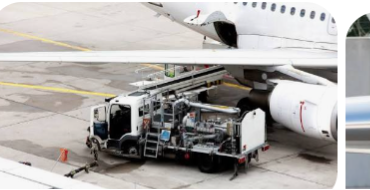
The Federal Government has already spent ₦60 billion on aviation fuel discounts. But if you’re an airline operator in Lagos, a passenger booking a ticket to Abuja, or a ground handler waiting for payment at the airport, you probably didn’t feel it.
That’s the problem at the heart of the Aviation Roundtable’s latest push. The money left government coffers, but it never reached the people it was meant to help. Jet A1 prices didn’t drop. Airline debts didn’t shrink. Ticket prices stayed high. And the wider airport ecosystem — from concessionaires to service providers — is still chasing unpaid bills.
The discounts were given out as invoice relief, but the structure made sure the benefit stopped on paper. Airlines kept buying fuel at near-market rates. Agencies kept carrying the same debt load. Passengers kept paying fares that doubled and tripled on key domestic routes. The ₦60 billion became a line item with no impact.
The Aviation Roundtable says it doesn’t have to be this way. Their proposal cuts out the waste by removing cash discounts altogether and replacing them with a crude-for-fuel arrangement. The idea is to allocate crude oil to local refiners specifically for domestic airline consumption, then supply Jet A1 at a stable, predictable price.
No more open-ended cash outflows. No more discounts that disappear before they reach the tarmac. Just a direct link between Nigeria’s crude and the fuel that keeps its domestic airlines flying.
The target price of ₦300 per litre has dominated the conversation, but ART insists that’s not the point. Whether the final price settles at ₦300 or slightly higher, the effect is the same: lower operating costs, lower fares, more passengers, stronger airlines, and healthier agencies. The benefit comes from stability and removing the ₦60 billion leak, not from hitting a symbolic number.
Right now, the sector is paying the price for doing it the old way. Government spends billions, aviation stays in distress, and the people who fly, work, and run the airports see no relief.
The ₦60 billion is already gone. The question is whether Nigeria keeps repeating the same model, or finally adopts one where the money actually reflects on the airlines, the passengers, and everyone else who depends on a functioning aviation sector.
