
By Gboyega Adeoye
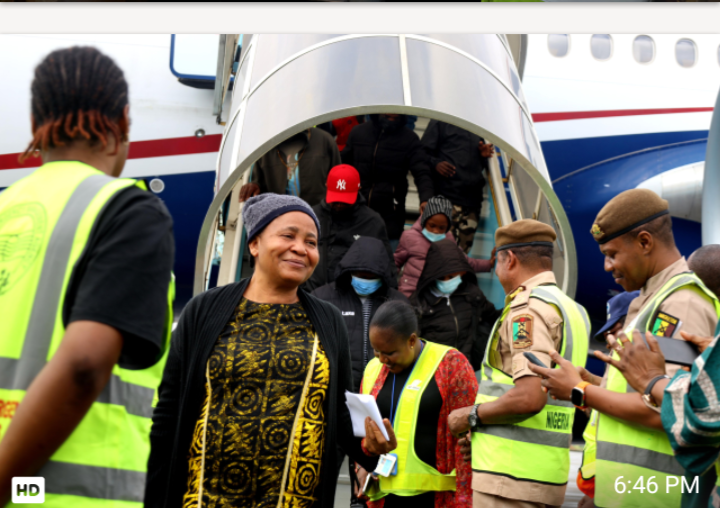
On July 3, a Boeing 777-200 lifted off from South Africa with 268 Nigerians aboard and landed them, without ceremony but with great relief, in the arms of home. It was not a scheduled service. It was Air Peace answering a call that no airline is obligated to answer, yet Nigeria’s flagship private carrier has answered three times in less than a month.
West Africa’s largest airline completed its third humanitarian evacuation from South Africa that day, working with the Federal Government to bring Nigerians back voluntarily as tensions flared across some South African communities. The 268 passengers joined 262 who came home on June 11, and 271 on June 30.
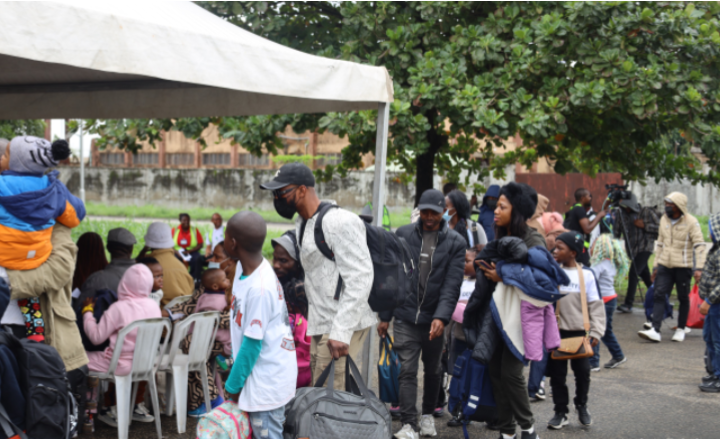
By the time the wheels stopped on the tarmac this week, Air Peace had safely airlifted 801 Nigerians in three missions, each one a long-haul operation that tested planning, crew readiness, and the airline’s capacity to move quickly when lives and peace of mind are at stake.
There is a difference between flying routes and flying people home. Air Peace has chosen both. The 777 that made the July 3 run is the same wide-body the airline uses to connect Lagos to London and Johannesburg, but on this day it became something simpler: a bridge.
Beyond connecting cities, Air Peace connected families with the reassurance that, in moments of uncertainty, Nigeria can reach them.
This is not new for the airline. Since it started operations, Air Peace has undertaken more than sixteen humanitarian and evacuation missions across Africa and beyond. Crises, emergency repatriations, national interventions, the aircraft have gone where the need was. Crews have logged the hours. Engineers have turned the aircraft around under pressure. Dispatch has found slots where none seemed to exist. The operation looks smooth from the terminal, but it is built on the kind of logistics that only a carrier with long-haul muscle and a willingness to use it can manage.
The July mission also tells you something about the partnership between a private airline and the state. The Federal Government set the policy and coordinated the citizens for voluntary return. Air Peace provided the lift, the wide-body capacity, and the operational discipline to do it safely and on time. In an era when many airlines count seats, this one counted citizens.
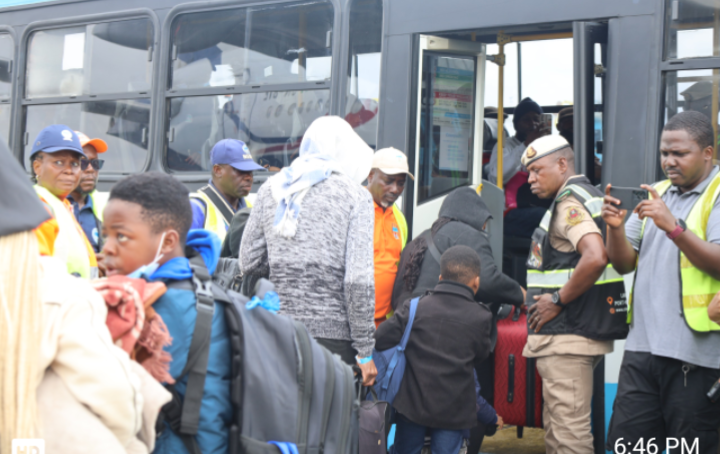
For the 268 who boarded on July 3, the flight was more than transport. It was a reset. The anxiety of being far from home in a tense moment gave way to the ordinary comforts Nigerians take for granted: the sound of familiar voices at arrivals, the sight of family waiting past the barrier, the simple knowledge that the country could and did come for them.
Air Peace has built its brand on expansion, new aircraft, new destinations, and the ambition to be Nigeria’s global carrier. But a legacy is not only the routes on a map. It is also what an airline does when the map is torn by crisis. With 801 Nigerians safely returned in three flights, and a record of more than sixteen humanitarian missions, Air Peace has made that answer clear.
Whenever Nigerians need a way home, the airline has stood ready. On July 3, that readiness had a number, a flight, and 268 faces that made it home.
