
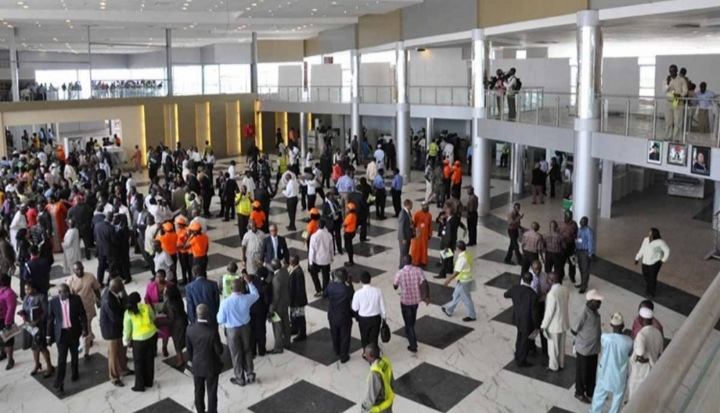
That air passengers would not find it easy traveling this yuletide has begun to rear its head, as there is already a struggle and pain to secure seats on aircraft.
The acute shortage of aircraft among many Nigerian carriers is preventing them from transporting the vast numbers of travellers heading home for Christmas and New Year.
With the festive season fast approaching, airlines are scrambling to accommodate huge bookings and have pushed fares to an all‑time high.
A visit to Murtala Muhammed Airport 2 (MMA2) on Thursday showed that carriers have hiked prices even on short‑haul routes. A return trip from Lagos to Asaba on Air Peace for December 26 2025 and back on January 4 2026 now costs N715,000, while the same itinerary on Aero Contractors is listed at N501,000.
The flight takes about 40 minutes, compared with a four‑hour road journey, but rising security concerns on major highways are pushing more passengers into the air.
Other high‑demand destinations such as Owerri, Uyo, Enugu, Anambra, Port Harcourt and Calabar are seeing return tickets as high as N700,000, depending on when the booking is made.
About 90 percent of festive‑period traffic is concentrated on these routes.
The core problem, according to industry insiders, is that many airlines simply do not have enough aircraft to meet the surge.
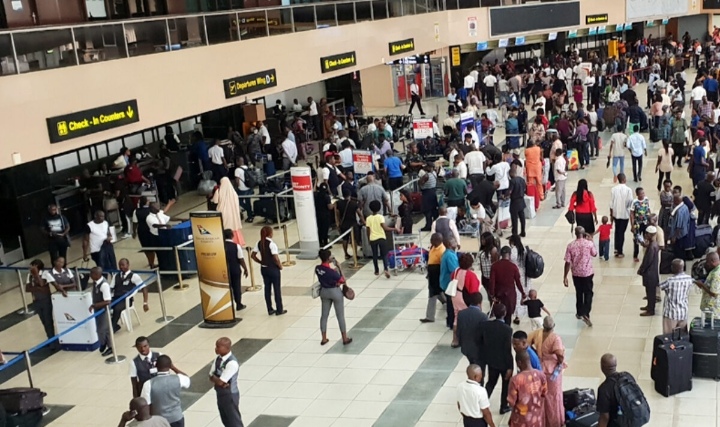
Air Peace, which operates the most extensive domestic network, has been hit hardest. The airline recently withdrew four leased aircraft and has 13 others out of service for maintenance, leaving a fleet severely depleted.
Some of its planes are currently “Aircraft On Ground” (AOG), a situation that collapses schedules and leads to cancellations and delays.
In a brief statement, the Federal Airports Authority of Nigeria (FAAN) reiterated that passenger safety remains its top priority, but the authority could not comment on the operational capacity of individual carriers.
President of the National Association of Nigerian Travel Agents (NANTA), Mr Yinka Afolami, dismissed suggestions that airlines are artificially inflating fares by blocking seats.
“I am just worried about the capacity of the airlines to cope with the huge travel demand,” he said. “We know what they have been going through with equipment. I don’t think they are blocking seats. It is just that they don’t have enough capacity for this. Demand is way more than supply.”
Chairman of Dees Travels and Tours Investment Limited, Mr Daisi Olotu, echoed that sentiment, noting that tickets are often paid for months in advance, making last‑minute seat availability scarce.
“The primary issue facing Nigerian carriers is not a lack of market demand, but severe capacity constraints driven by a challenging operational environment,” he said. “When one aircraft goes AOG, the entire schedule collapses, leading to cancellations, delays, and passenger frustration.”
Air Peace has taken delivery of a B737‑800 on a dry‑lease basis in the penultimate week, a move intended to ease the strain, but it remains unclear whether this single aircraft will be enough to bridge the gap.
As the yuletide travel rush intensifies, passengers are being urged to book early, remain flexible, and allow extra time for possible delays. Further updates will be provided as the situation develops.
